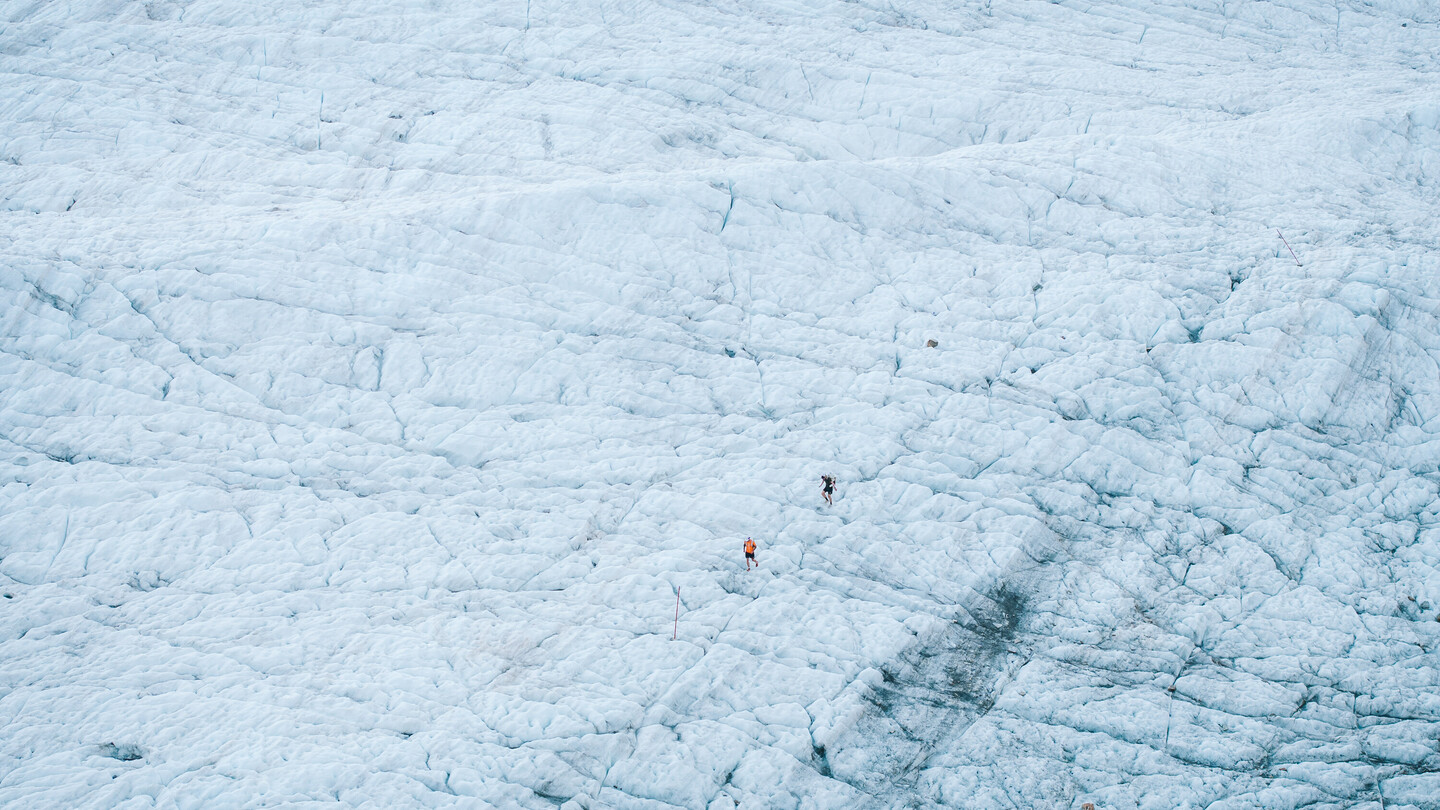
Theresa Berenz ©

Sweet Summits

Interview with Tobias Renggli and Simon Straetker (film Gipfeli of Switzerland)

Tobias Renggli

Black Forest Collective ©

Tobias climbed and cycled his way to the highest peak in every Swiss state (canton), eating a gipfeli* on each summit. We talked to him about what kept him going and why the gipfeli were part of the adventure.

2,533

kilometers

26

states

21

days

27,219

meters of altitude

Tobias, in the film Gipfeli of Switzerland you climbed and cycled to the highest peaks in all 26 Swiss cantons (states) and covered all the distances between them by bike. Do you like checking things off lists?

I’m not a fan of bucket lists where other people tell you what you “should” do, but I do like creating my own lists and setting certain targets for my projects. I think that’s just part of my personality. After I finished school—between military service and university—I had a few months free and just wanted to do something cool. I ended up doing a tour through every country in Europe, visiting every capital city and climbing the highest mountain in each one. So, in a way, that was also a list. Of course, giving yourself the goal of reaching 88 fixed points does limit you a bit, but I’m not the type to ride around aimlessly.

I’m someone who’s perfectly fine doing things alone.

After the Europe tour came this adventure, where you ate a gipfeli—the Swiss version of a croissant—on every summit. How did that idea come about?

It actually started more as a joke because I just loved the wordplay: Gipfel means “summit,” and gipfeli is the Swiss German word for croissant. The similar sound is fun!

Black Forest Collective ©

*Gipfeli

The Swiss version is a crescent-shaped pastry similar to a croissant, but typically denser, slightly sweeter, and with a crispier crust than its French counterpart. In addition to the classic butter gipfeli, common variations include chocolate, nut, and vanilla. There are even vegan options.
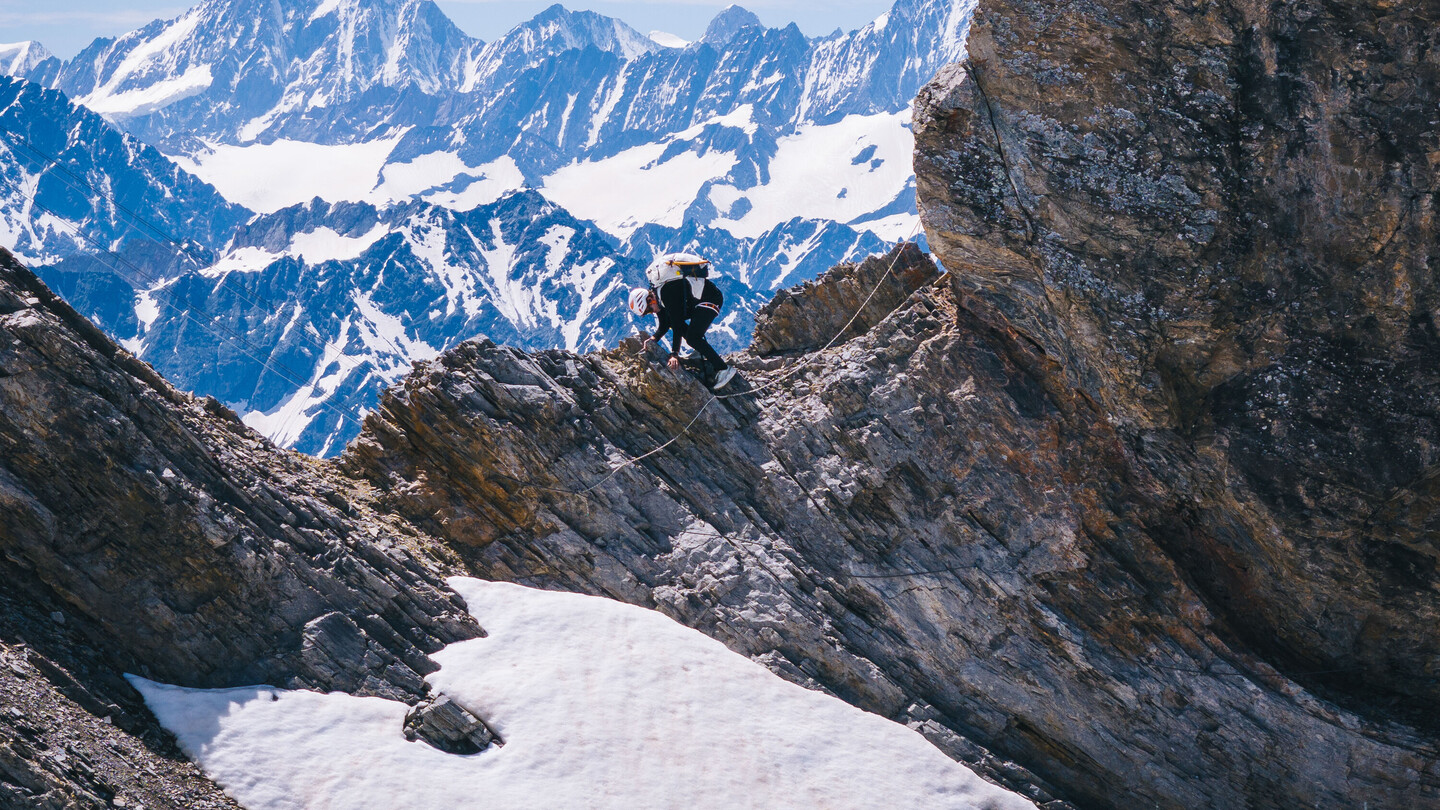
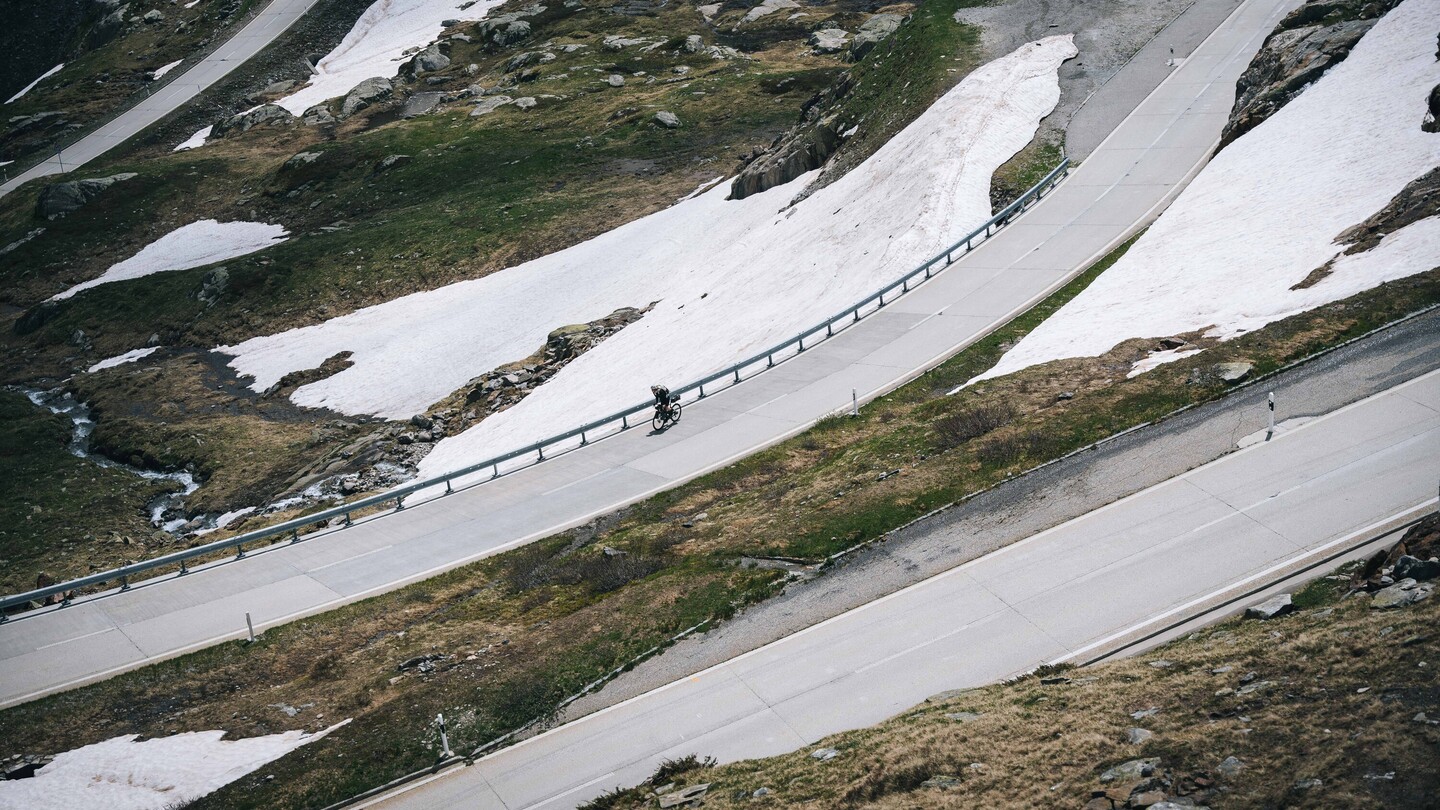
In the film, you often comment on the quality of the different gipfeli. Is there an actual list somewhere of all those ratings?

No, I didn’t make a ranking. That would have been tricky because some of the gipfeli came from really great bakeries, while others were just from gas stations. Plus, those kinds of ratings are super subjective—things like emotions and the weather play a role, too. But I did notice that the quality of the gipfeli seems to be linked to elevation. The higher up you are, the better they taste.

Most of the summits—some of which were just hills—you climbed or even biked up alone, but for a few mountains, you brought other people along. How did you choose your climbing partners?

I used to be on Switzerland’s national mountain running team, so I know quite a few people in that world. Plus, I had already climbed all those peaks once before, during my school years—in stages, not all in one go like this time. Most of the people who joined me this time had also been part of the earlier climbs. Coordinating it all was pretty complicated, but it was also amazing. When you meet new people and head into the mountains
together right away, you can form a deep friendship really quickly.

Why do you think that is?

I think when you take on something very challenging together, you have to put a lot of trust in each other—you’re literally tied to the same rope. I find it incredibly enriching to take on outdoor endeavors with other people because they have different perspectives and they assess and approach things differently.

Do you prefer being out there alone or in a group?

I’m someone who’s perfectly fine doing things alone. On the Europe tour, I spent almost seven months almost entirely by myself. It’s exhausting and intense, but you also have endless time to think. In everyday life, you can avoid boredom by reaching for your phone, but when you’re out there alone, you often end up having thoughts about the world and your own life that you probably wouldn’t otherwise have. But in the mountains, sometimes you just have to have a partner—especially when crossing glaciers. It would be naïve to cross one alone.

I’m not the type to ride around aimlessly.

After the strain of the gipfeli tour, you had one last hurdle to face at the end of summer—your university exams! How did they go? Are you happy with the results?
When I got back, I had about two or three weeks to study. They were really intense and, of course, stressful. But I actually need that pressure; it makes me more efficient. I don’t think the exams would have gone any better if I’d spent the whole summer studying. In the end, the results were fine.

Black Forest Collective ©

Tobias Renggli was born in 2003 near Lucerne. At 16, he became the Swiss U20 Mountain Running Champion and was selected for the Swiss Mountain Running National Team. In 2020, he wrote his high school thesis, titled Tour dör d’Schwiiz, for which he cycled to all 250 Swiss towns and ran to the highest points of all 26 cantons. In 2022, he launched his project Bikepacking Europe, visiting the capitals and highest points of 44 European countries. He is currently studying Health Sciences and Technology at ETH Zurich.

Simon Straetker

Black Forest Collective, Simon Straetker ©

Filmmaker and passionate nature photographer Simon Straetker joined Tobias Renggli on his ambitious Swiss adventure—and he had no idea what he was in for.

He uses his documentaries to advocate for environmental protection, often taking his audience to some of the most remote corners of the Earth. For him, every summit means: filming, exporting footage, sleeping—and the next day, hauling the equipment up the next mountain. Masterful logistics under extreme physical strain.
26 cantons, 21 days

Simon quickly realized this journey would not only test Tobias; keeping up with the athlete would be a challenge for him. He also knew that there was no way he could match Tobias’s pace on his own. “We climbed the Fuhrspitze and the Finsteraarhorn within two days,” Simon recalls. “After that, I knew I couldn’t turn around and do a three-day tour, then climb the Monte Rosa the very next day.”

Most days, I just barely managed to film him, export the footage, and collapse into bed.

So, he brought in reinforcements: four members of the Black Forest Collective, a team specializing in authentic storytelling for positive social change. Together, they took shifts to keep up with Tobias’s grueling schedule.

The German wordplay idea—to eat a croissant (gipfeli) on every summit (Gipfel)—came just before the tour began. “At first, you don’t know if that’s a good hook or just totally ridiculous,” Simon says. “It took a bit of courage, because it meant Tobi would literally be standing on every mountaintop holding a silly croissant. If it didn’t work, it would’ve just been… awkward.”

A quick poll of ten friends brought unanimous approval, and with that, the “full send croissant plan” was on.
What followed was a physical and mental ordeal for everyone involved. “It was an extraordinary feat for Tobi, especially with so little sleep,” Simon says. “Most days, I just barely managed to film him, export the footage, and collapse into bed—only to be standing in Zermatt a night later, starting the next climb, while Tobi had already bagged his first summit of the day.”

That was an extraordinary feat by Tobi, especially considering how little he slept.

The constant sleep deprivation began to take its toll. Tobias started to drift in and out of focus, and Simon grew concerned. As a filmmaker, he feels responsible for his subjects and avoids pushing them to their breaking point. He knows all too well how quickly things can go wrong on a bike or in the mountains. Authenticity is non-
negotiable for Simon: “I’m not a fan of shooting things just because they’ll look great on film. I want to tell the real story.” In Tobias, he found the perfect partner for that philosophy: “He couldn’t care less whether a film gets made—he just goes for it,” Simon says.

Still, the stunning shots came from careful planning. On the Dufourspitze, for example, Simon and his camera operator Theresa set out two hours before Tobias. “We left at one in the morning and waited for him at about 3,900 or 4,000 meters until he caught up,” Simon recalls.

And the next adventure is already on the horizon. Tobias plans to cycle from Alaska to Argentina, summiting the 35 highest peaks in the Americas along the way. The Swiss journey was all about the athletic challenge. By contrast, this time they want to allow more space for meaningful human encounters—something Simon plans to highlight more in future projects.

“If we happened to be in a mountain hut, Tobi would just fall asleep immediately,” Simon laughs. “The trip was essentially cycling, hiking, sleeping—repeat.” Lesson learned: no matter how intense or adventurous the expedition, you need to pause for rest, reflection, and small pleasures—like savoring a gipfeli at the summit.

EOFT 2025 Program

Gipfeli of Switzerland is part of the EOFT 2025/26 film program.